⚡ VoltSens Verified Automotive Research & Analysis
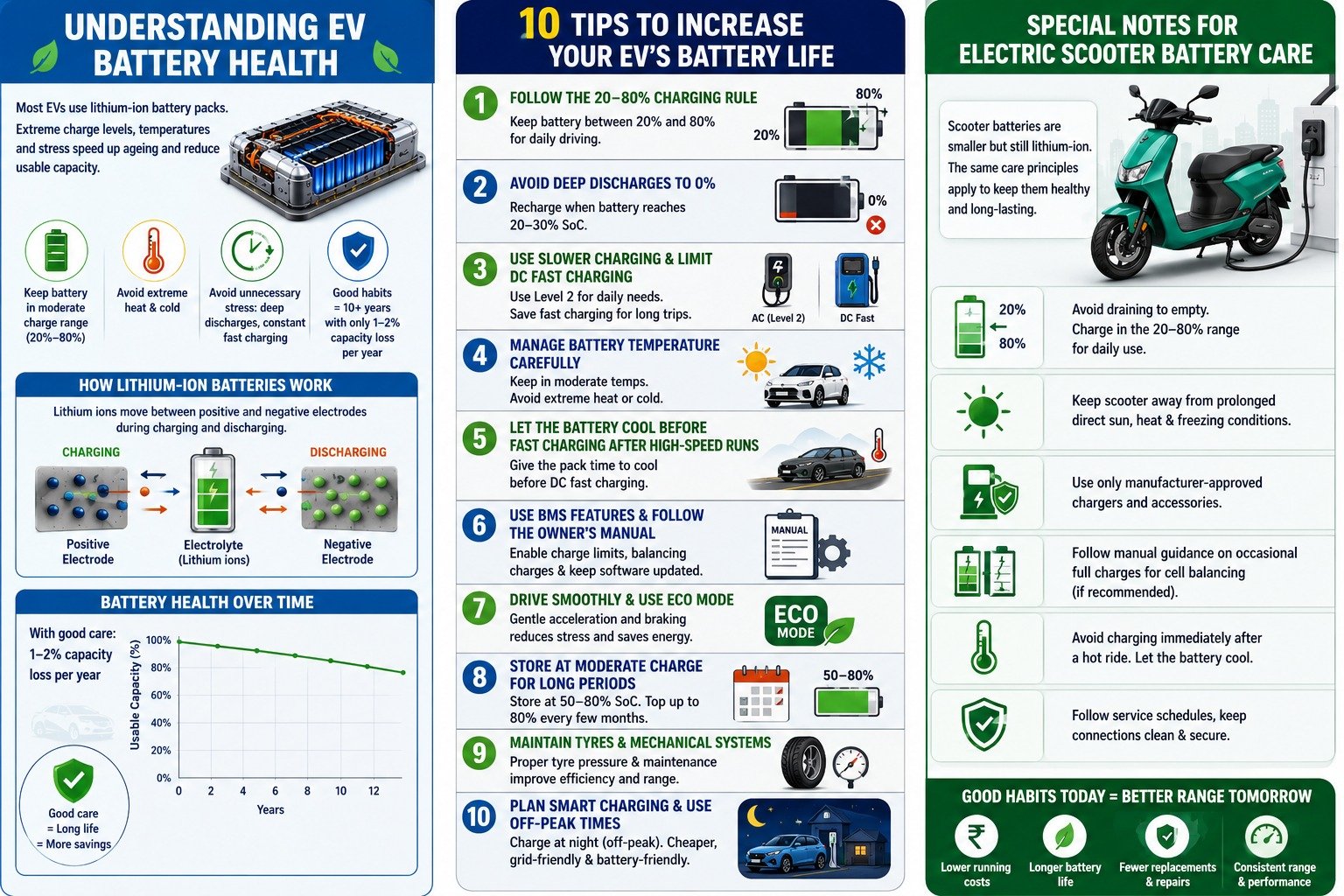
Plugging your EV into a 60 kW fast charger does not mean it will draw 60 kW continuously from 0% to 100%. EV charging follows a non-linear taper curve designed to protect battery cells.
Why Charging Slows Down Above 80%
Think of charging a battery like filling a theater with people: When empty, hundreds of people can rush through the doors at once (high kW). When the theater is 80% full, people must slow down to find individual empty seats (low kW). Above 80%, charging speeds drop by 60-70% to prevent overvoltage stress.
Frequently Asked Questions (FAQ)
What is the main topic covered in this article about Charging?
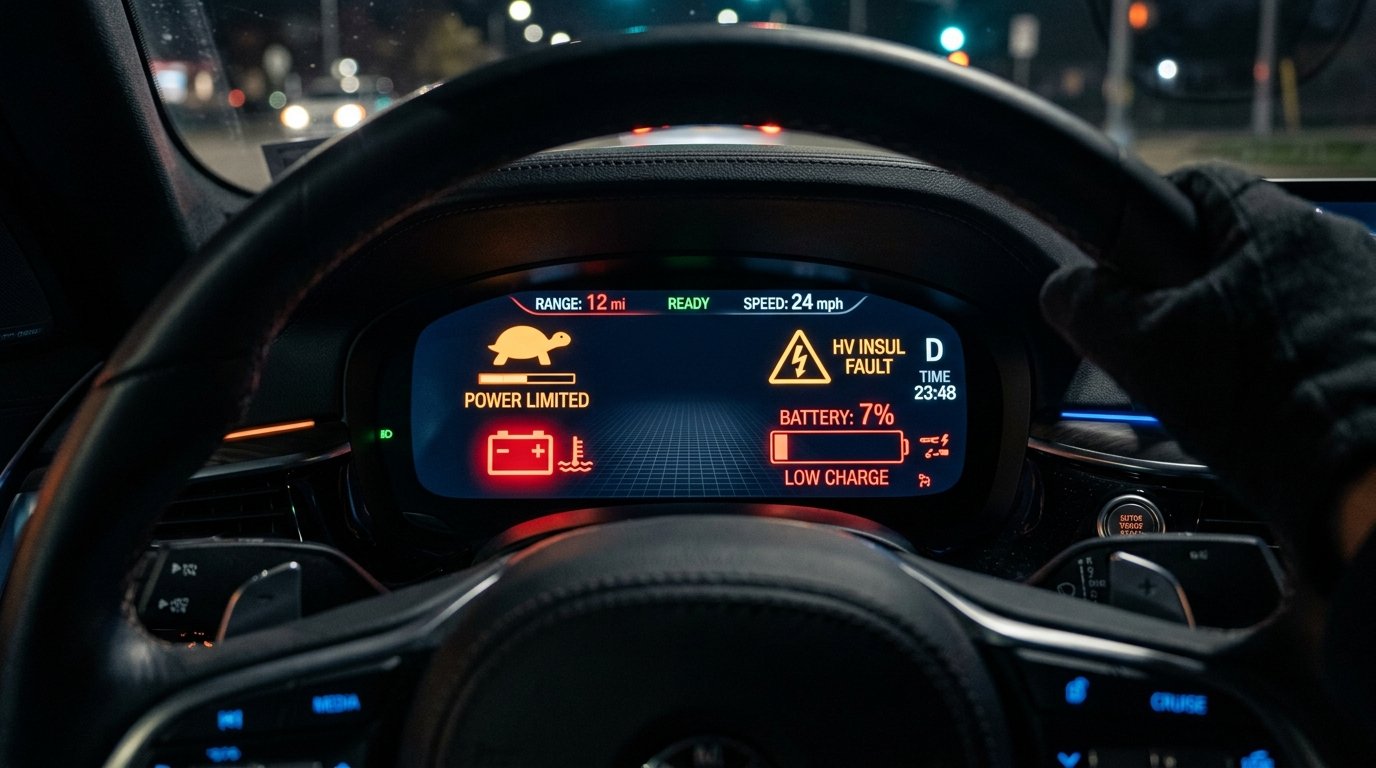
Expecting 60 kW speeds but getting only 15 kW at a public DC charger? We explain thermal throttling, cold gate, grid load sharing, and battery charging curves.
How does this relate to EV running costs in India?
Electric propulsion consistently delivers running costs between Rs 0.30/km and Rs 0.50/km for scooters and Rs 0.80/km to Rs 1.20/km for cars, representing an 80%+ savings over fossil fuels.
Where can I find more Charging guides on VoltSens?
VoltSens has 40+ comprehensive guides across EV Cars, Scooters, Battery Tech, and Charging categories. Visit our Charging category page for related in-depth articles.